
Our Tours
Discover Our Photography Adventures
What You Can Expect From Your Tour
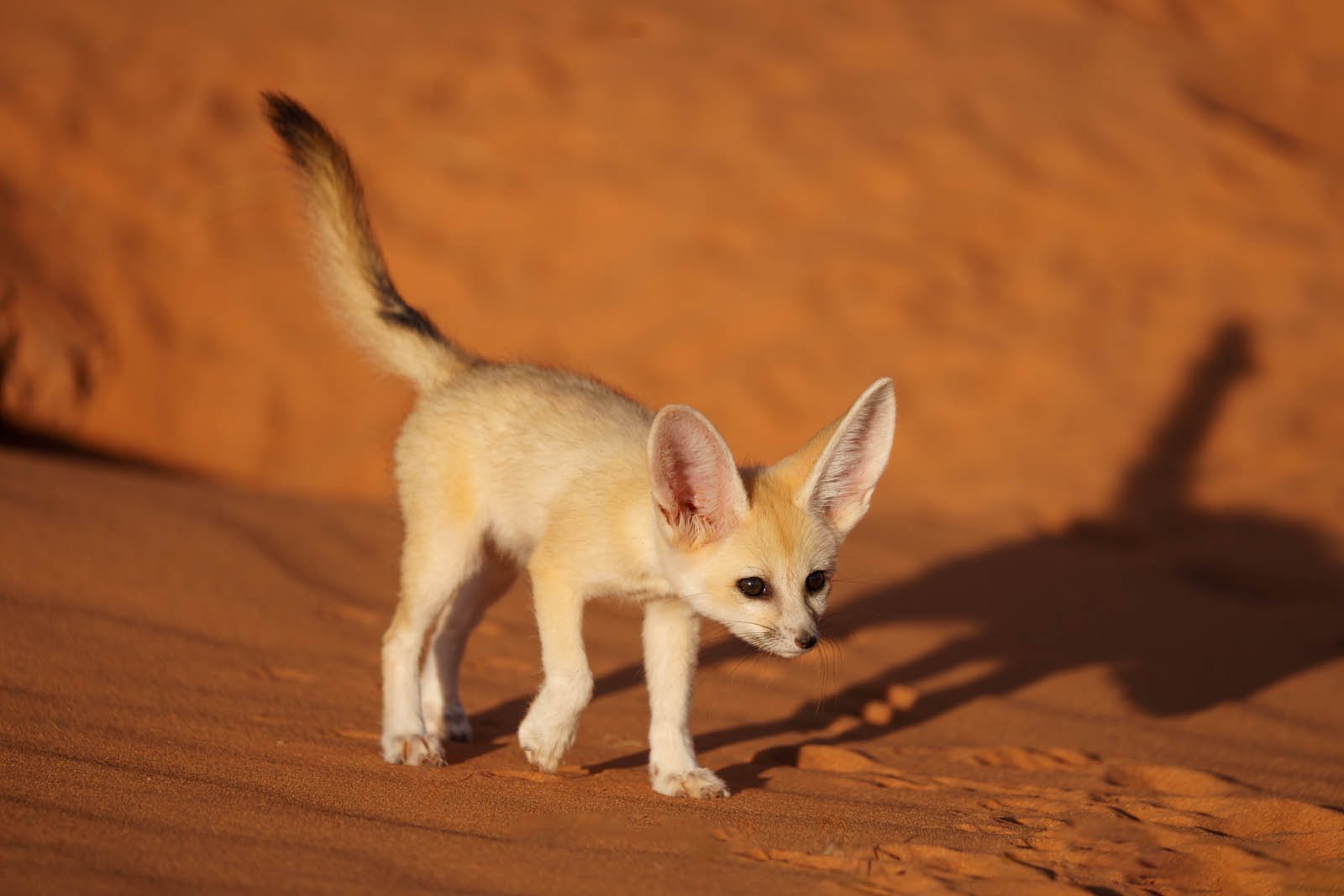
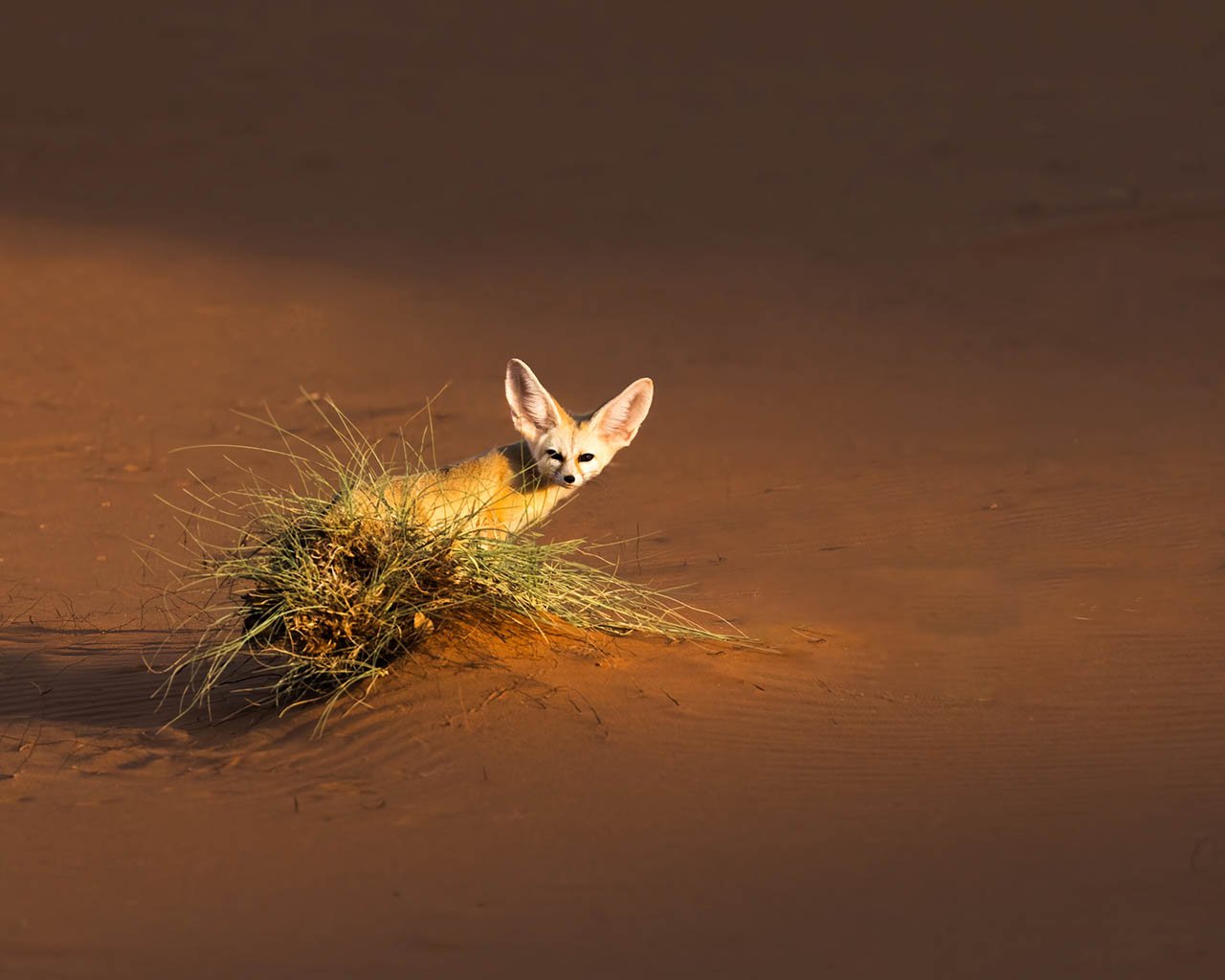
Fennec Fox Tracking
Spot and photograph elusive fennec foxes during sunrise and sunset in their natural Sahara habitat.
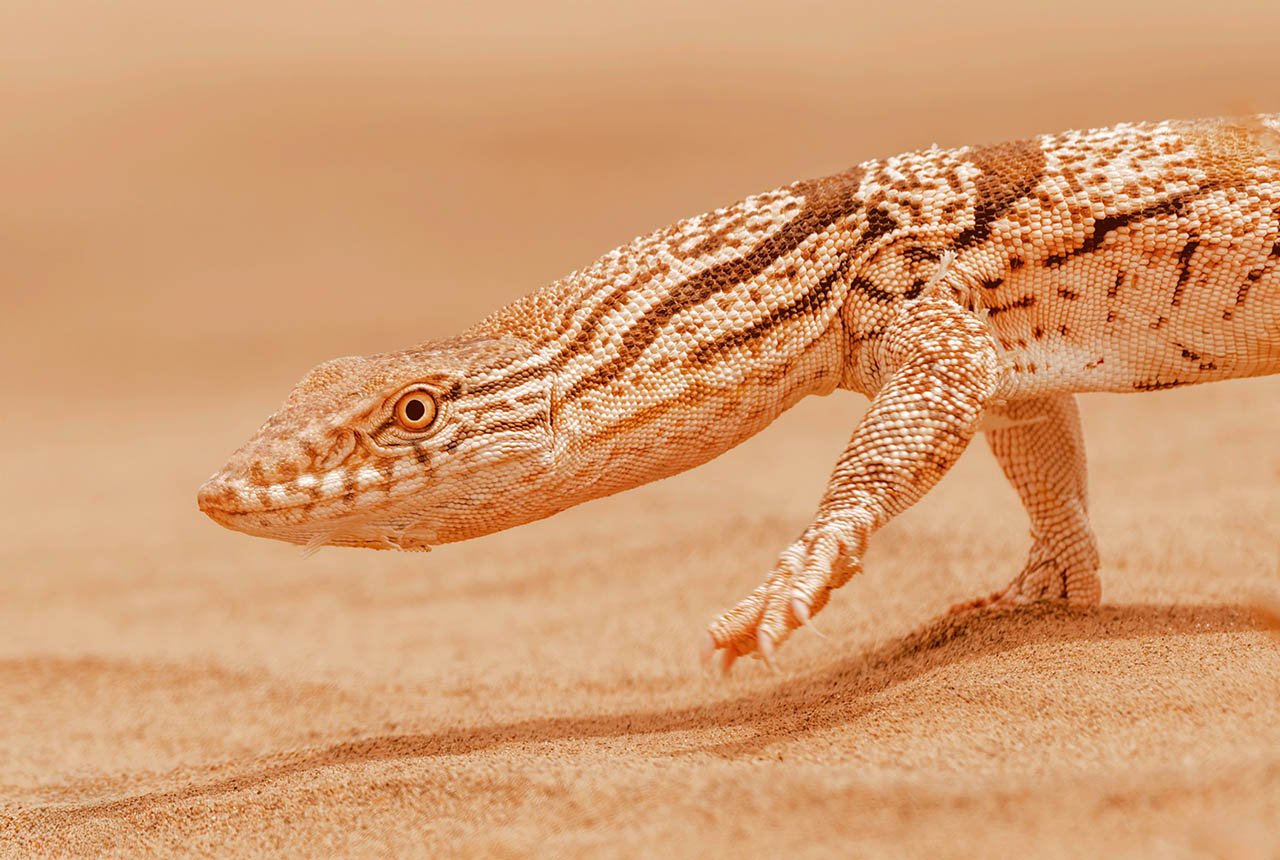
Desert Reptile Safaris
Explore the desert ecosystem and capture unique reptiles including lizards, vipers, and other rare species.
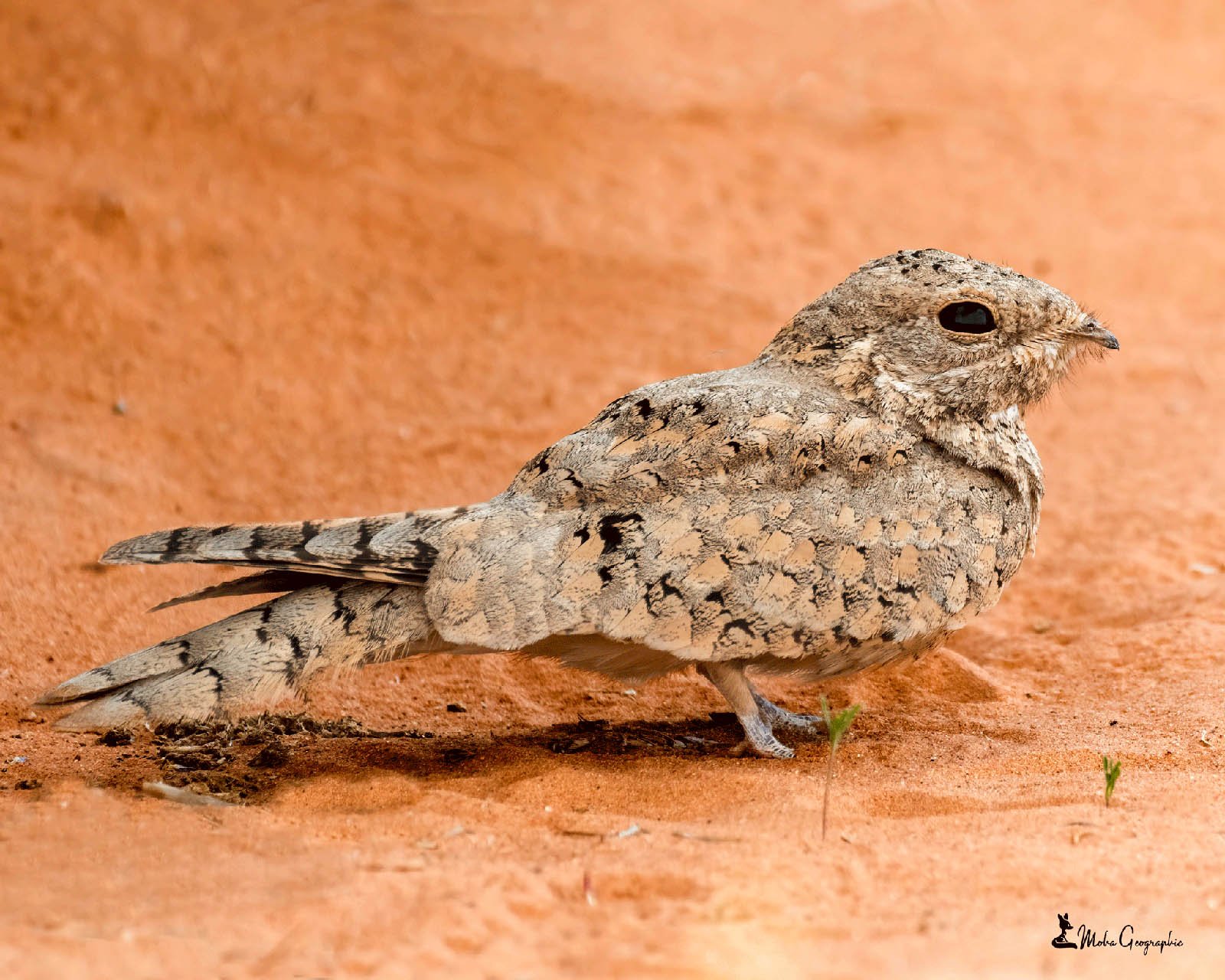
Birdwatching in the Sahara
Observe and photograph diverse desert bird species across dunes, plains, and oasis environments.
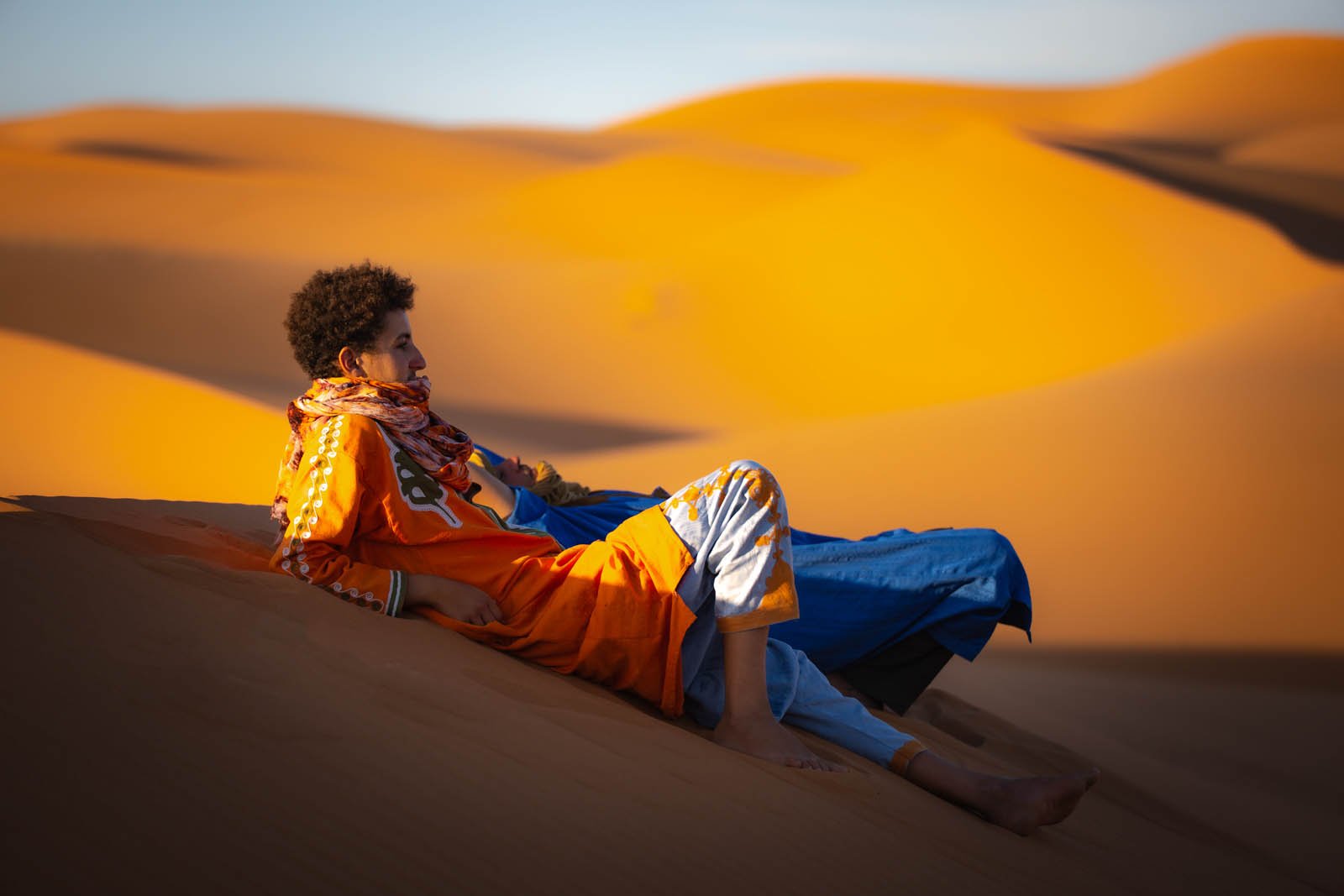
Quad Bike Desert Tours
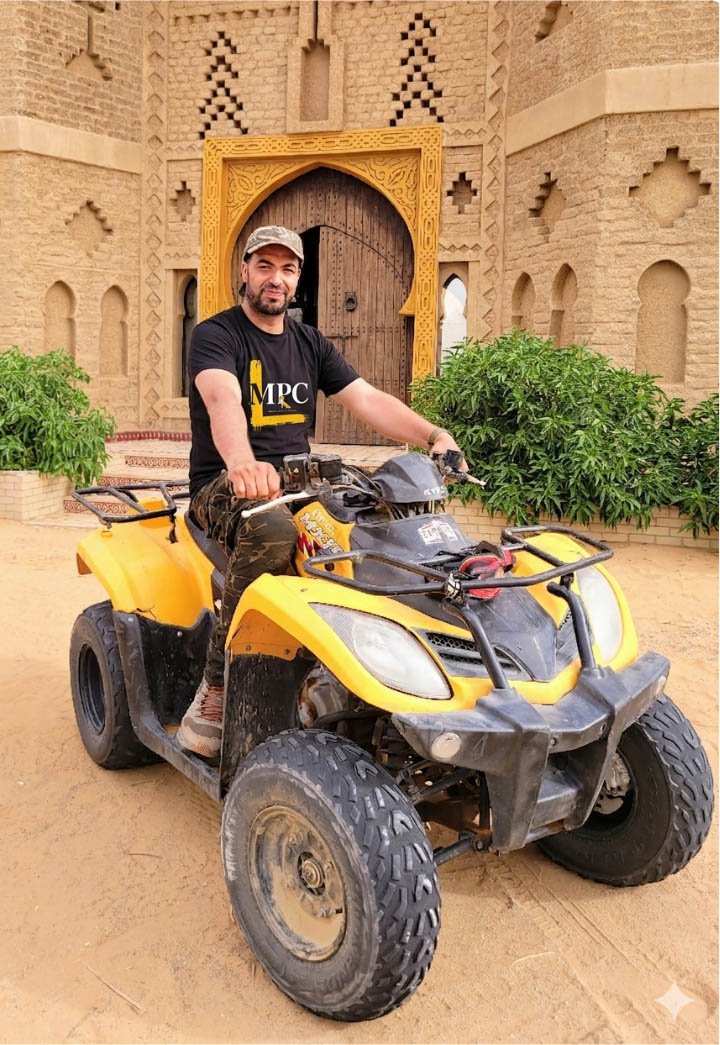
Ride across the dunes on guided quad excursions, combining adventure with wildlife spotting opportunities.
Nocturnal Wildlife Safari
Discover the hidden world of desert night life with expert-guided 4×4 safaris under the stars.
Photography Expeditions
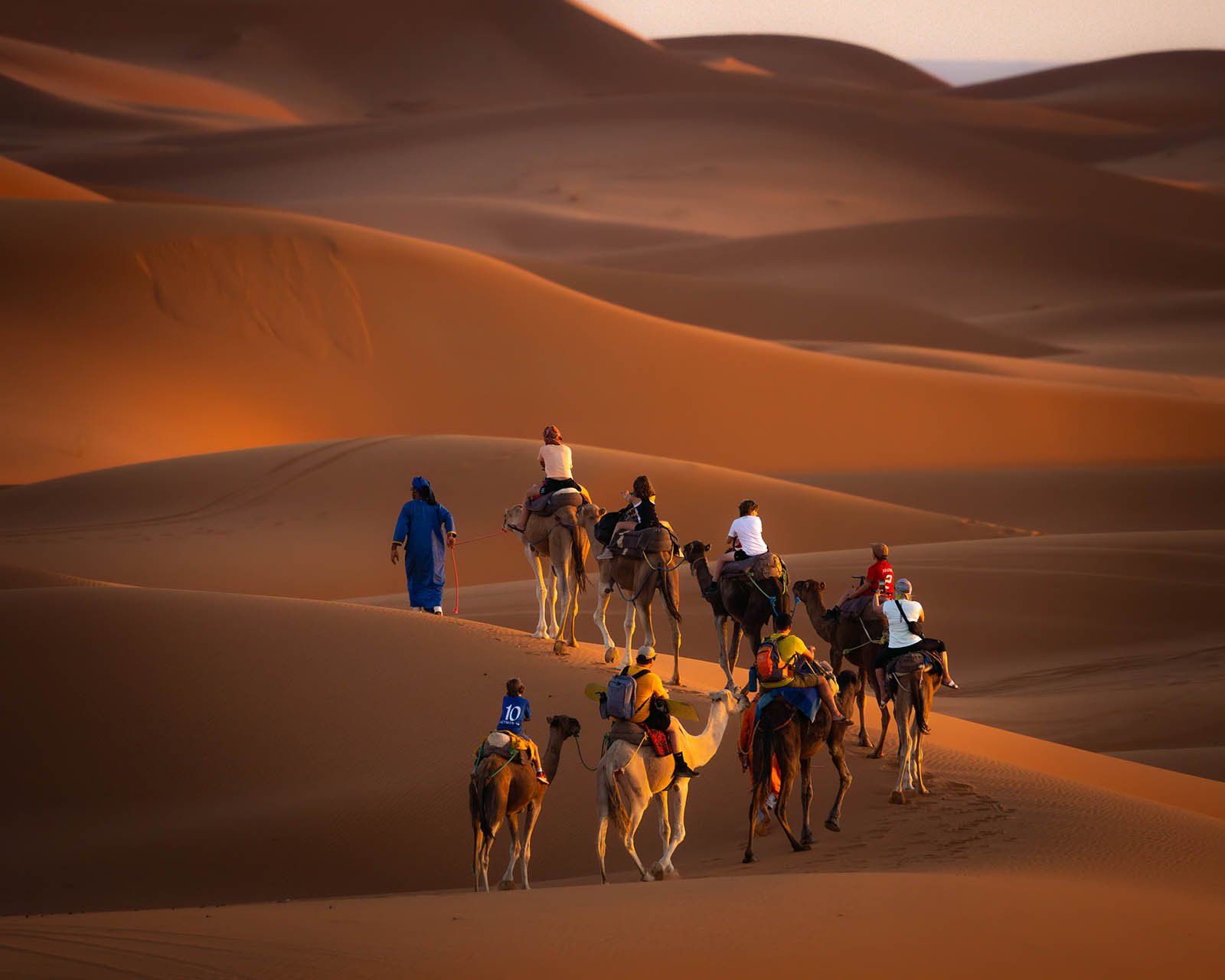
Capture stunning desert landscapes, wildlife, and cultural moments in perfect lighting conditions.
About Us
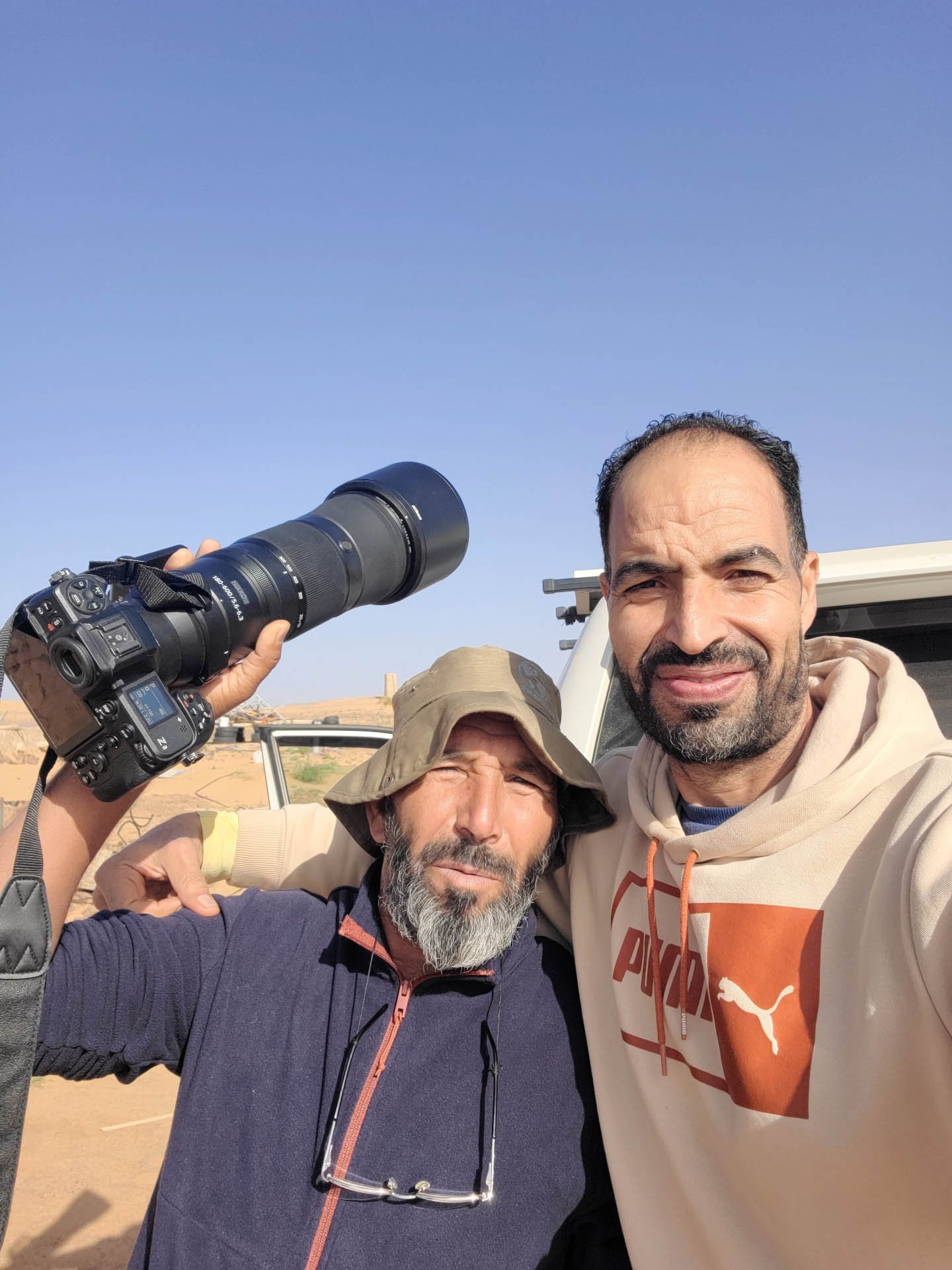
Moroccopixcolor is the creative identity of Driss, a multidisciplinary photographer whose work bridges continents, cultures, and visual storytelling. Drawing inspiration from life between the United States, Morocco, and France, his imagery reflects a rich, cross-cultural perspective shaped by diverse environments and human experiences.
His practice spans wildlife, portrait, equestrian, and street photography, with an expanding focus on landscape work. Each image is characterized by a strong sense of atmosphere, precise timing, and emotional depth-capturing not just a moment, but a story.

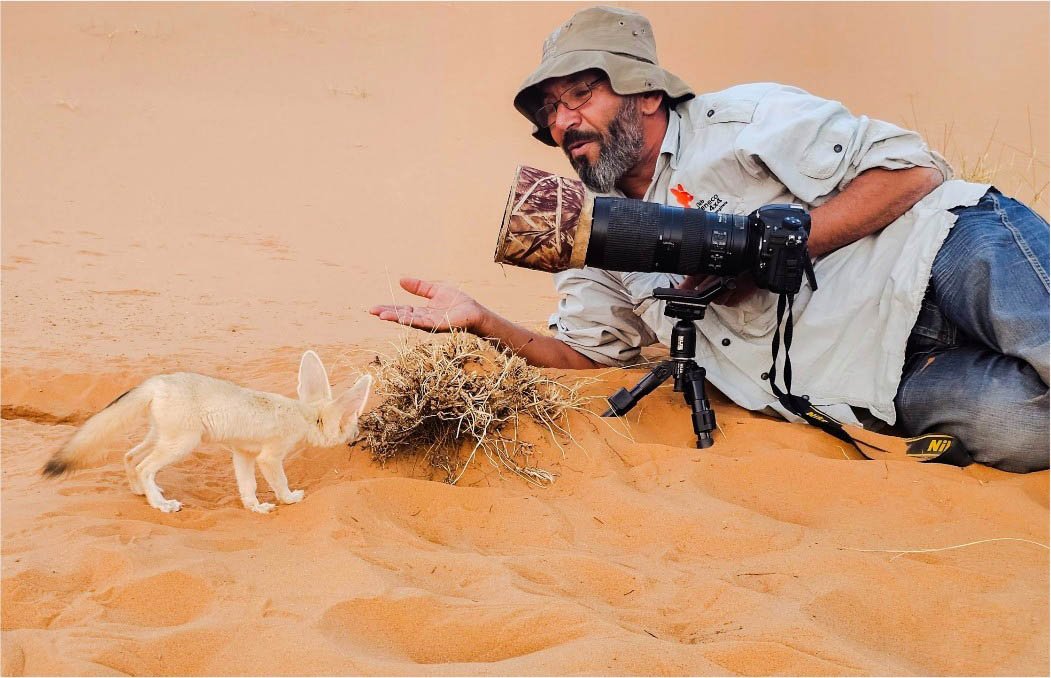
Gallery
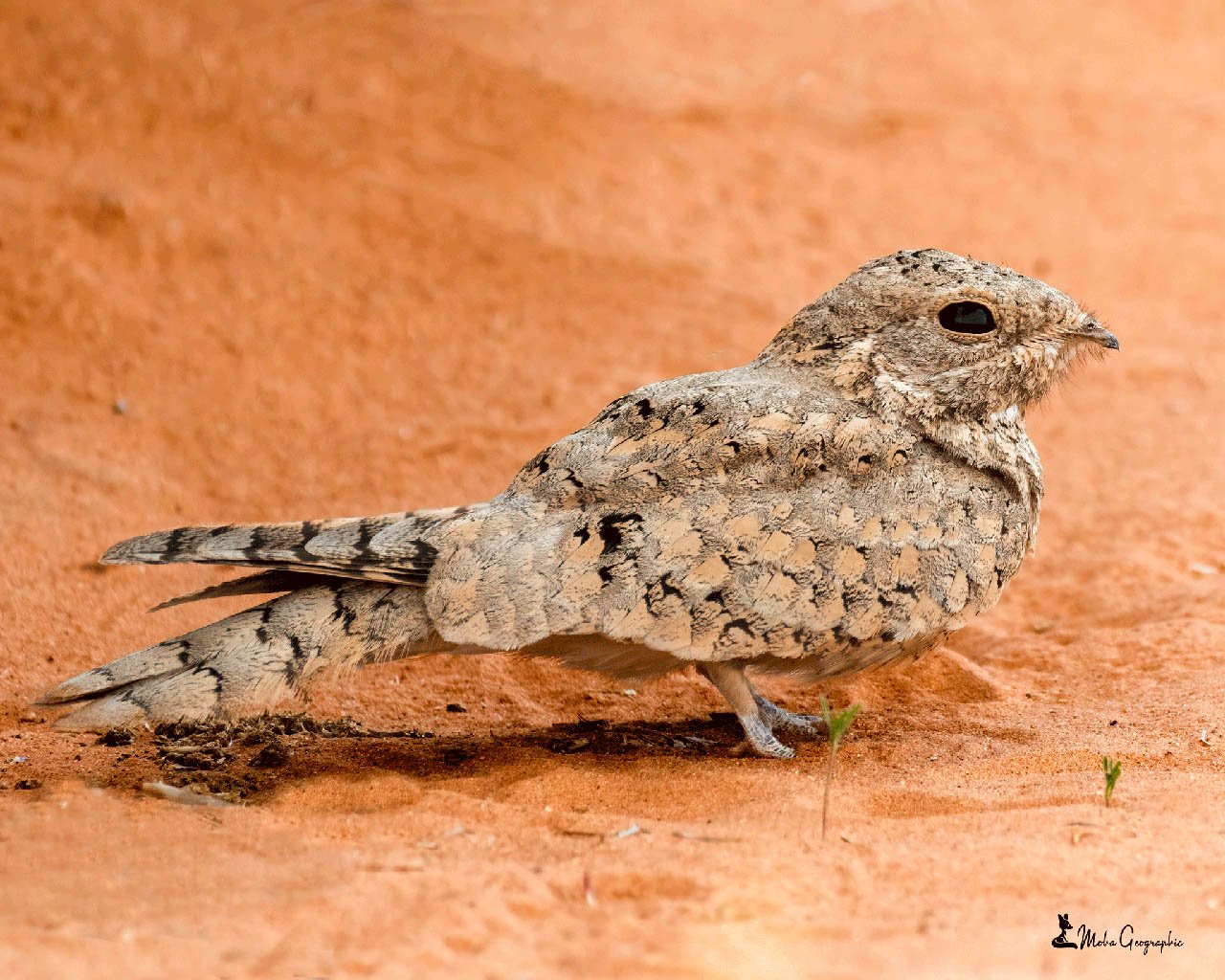
Egyptian Nightjar (Caprimulgus aegyptius)
Perfected by evolution, the Egyptian Nightjar blends so seamlessly into the desert sands that it vanishes completely into the landscape until twilight calls it to flight.
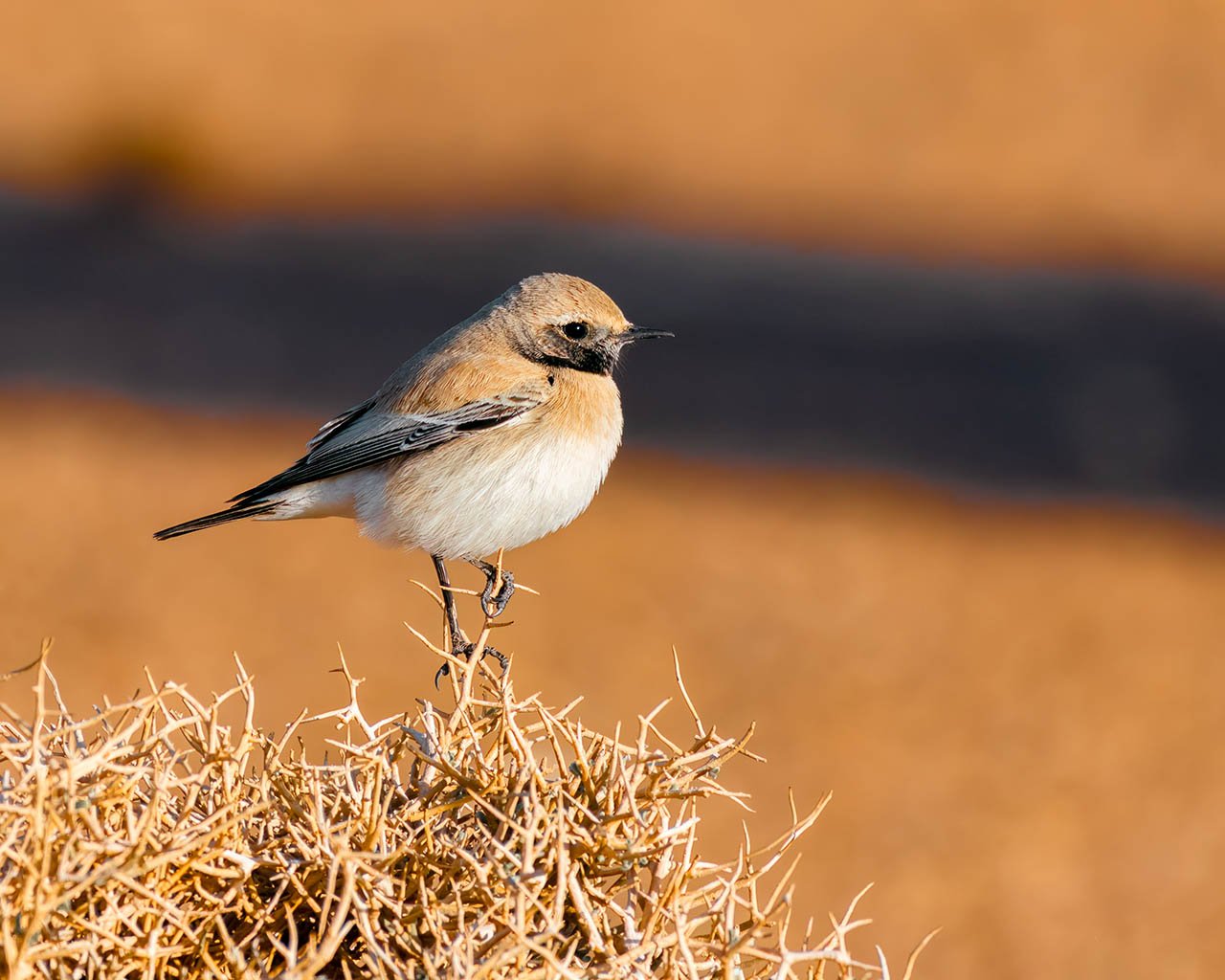
Desert Wheatear (Oenanthe deserti)
The Desert Wheatear is a small, resilient songbird of North Africa and the Middle East, easily recognized by its warm sandy plumage and a striking, solid black tail that contrasts vividly against the dunes.
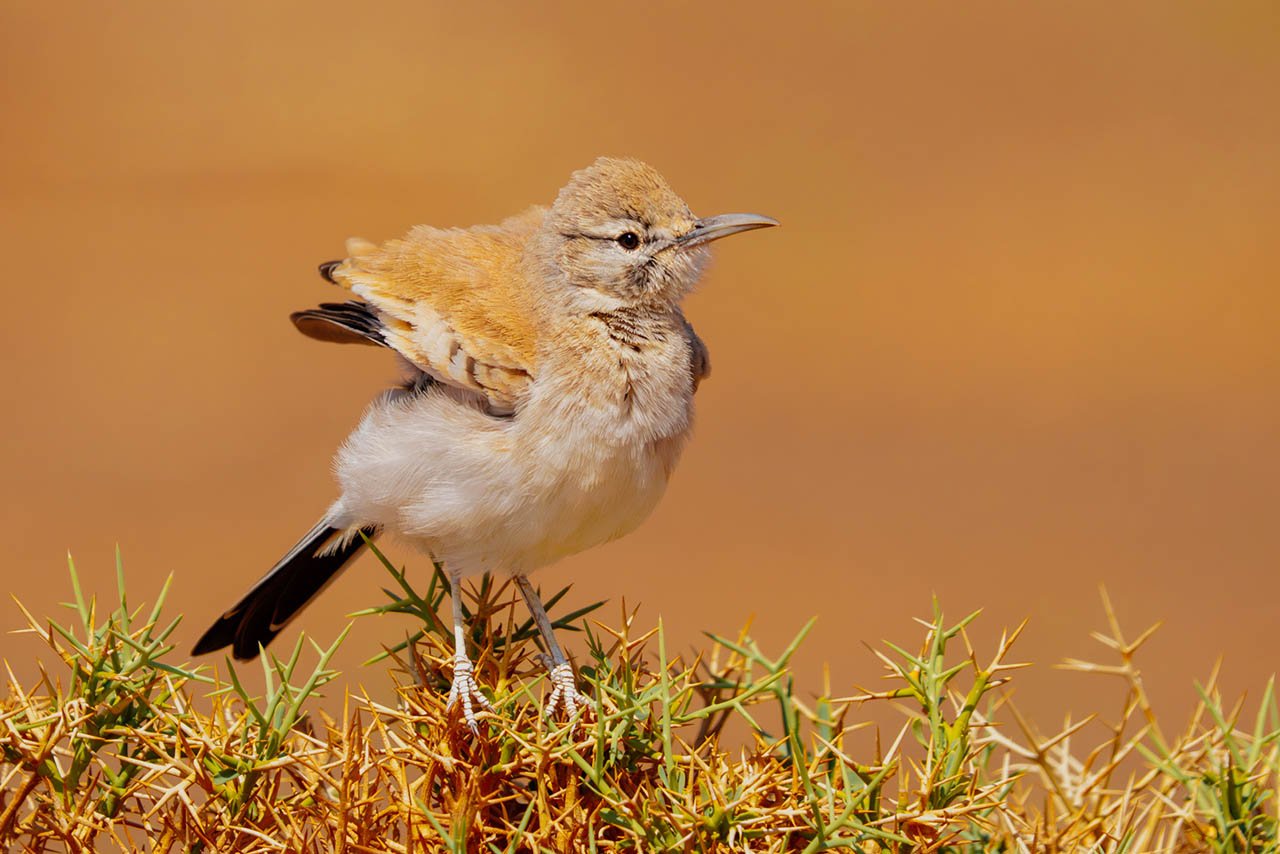
Greater Hoopoe-Lark (Alaemon alaudipes)
The Greater Hoopoe-Lark is a long-legged, desert-dwelling specialist of North Africa and the Mideast, famously known for its slightly curved bill and a dramatic, black-and-white wing pattern revealed beautifully only when it takes flight.
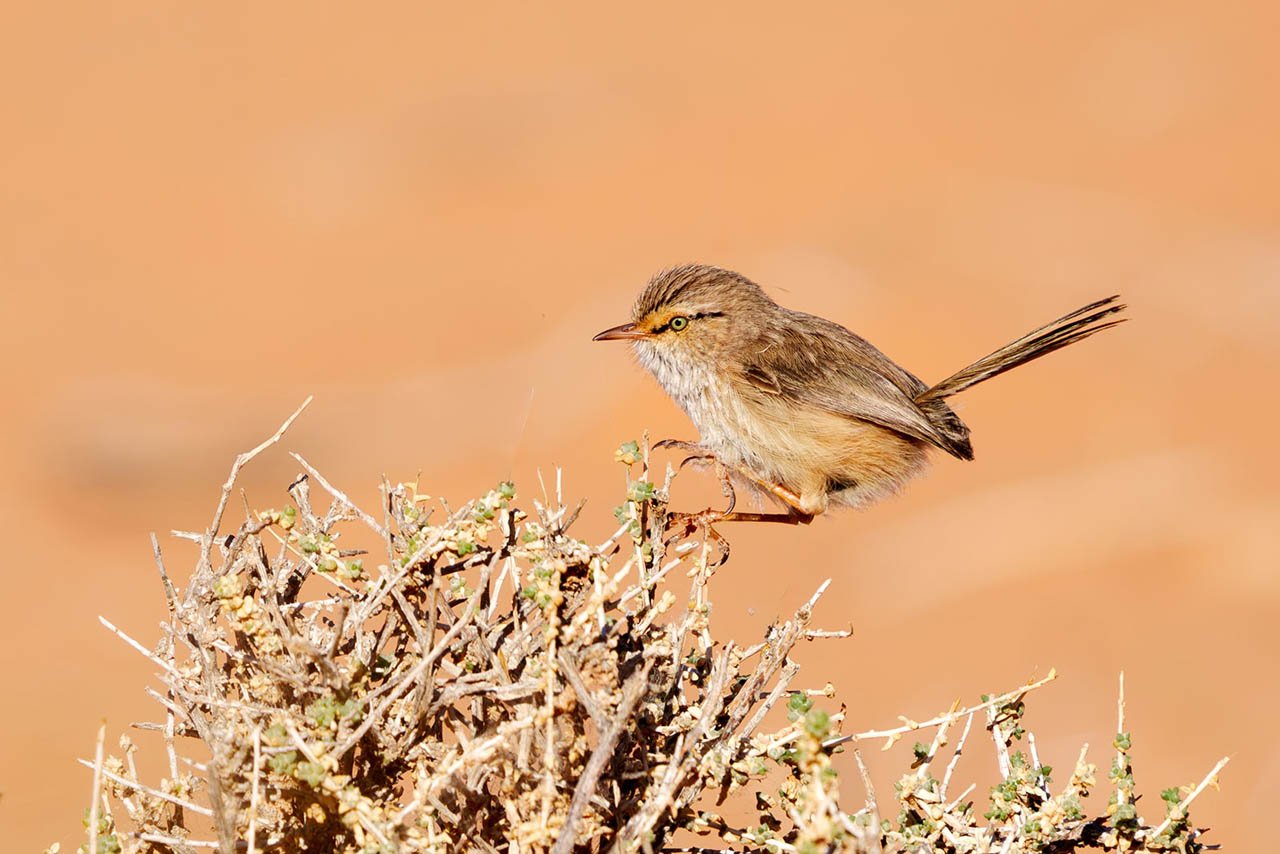
Streaked Scrub Warbler — Scotocerca inquieta
“Merzouga’s tiniest desert rebel.” 2. “Small bird, big desert energy.” 3. “Tail up, fear down — meet Merzouga’s scrub warbler.”
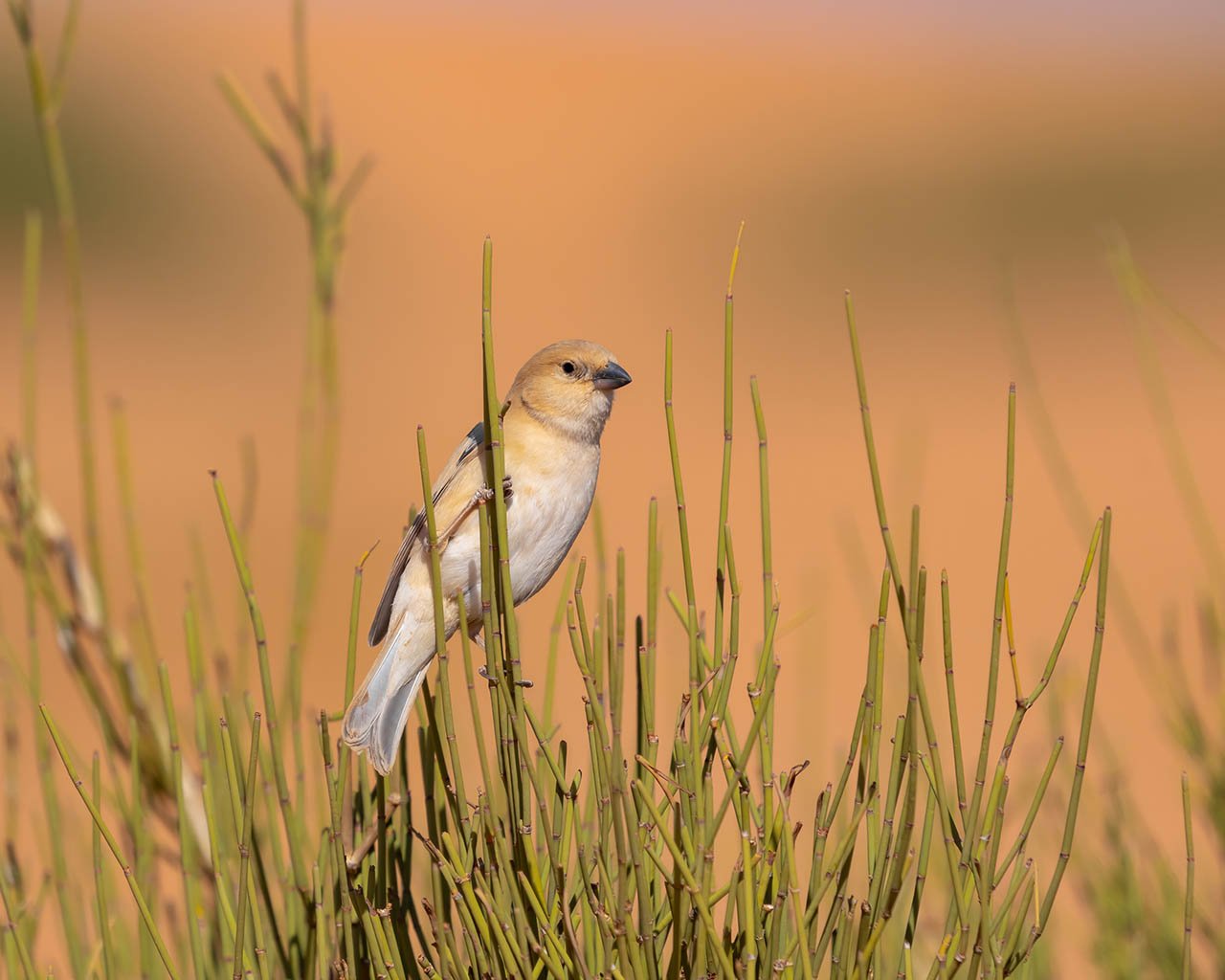
Desert sparrow (Passer simplex)
A pale, sand-colored sparrow built for the Sahara. This is likely a female, with soft buff plumage and a thick dark bill for cracking seeds. It lives in true desert oases and dunes, often far from other sparrows. Highly adapted to extreme heat and scarce water, it feeds on seeds and insects among desert shrubs.
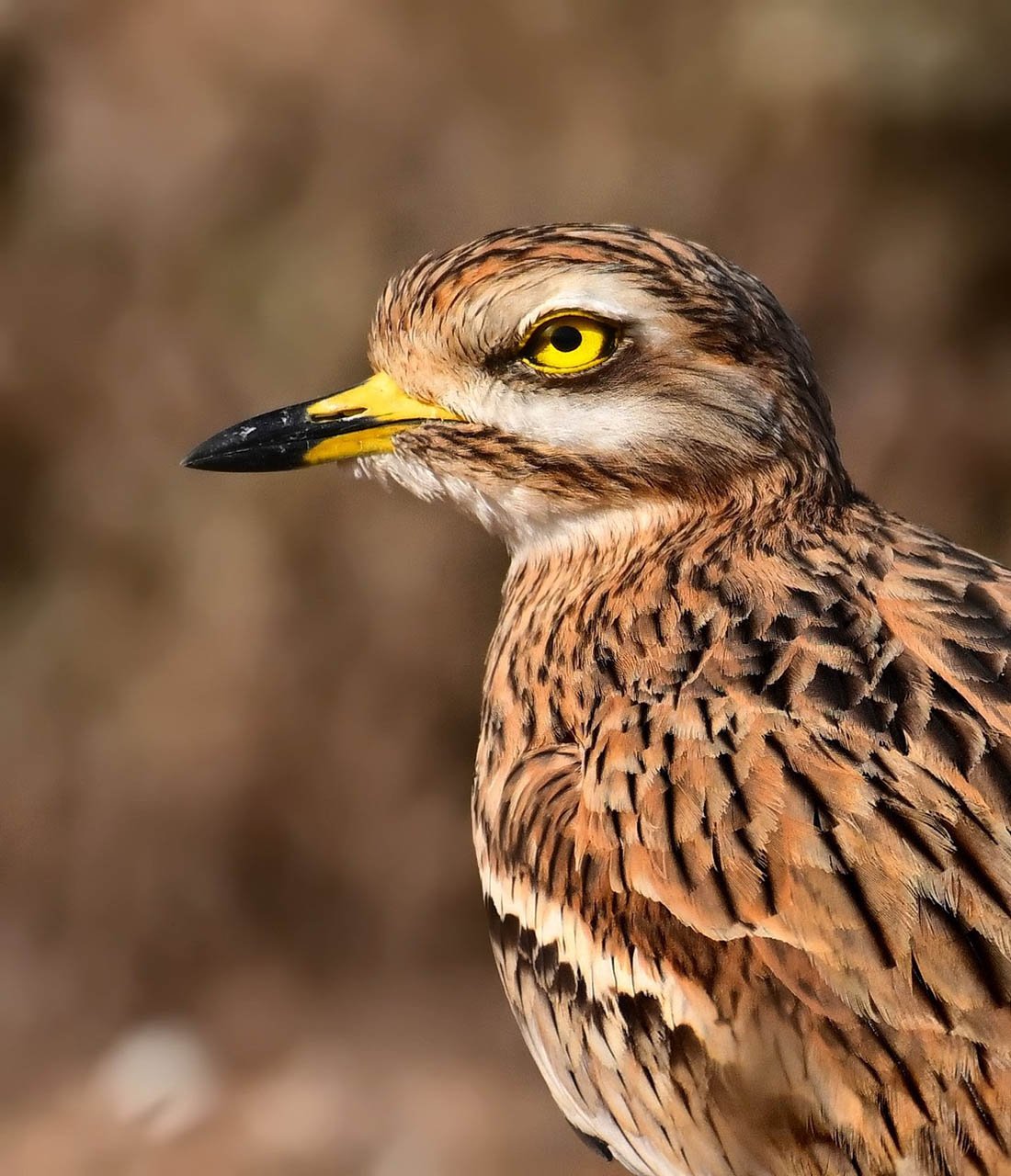
Asian stone-curlew (Burhinus oedicnemus)
A well-camouflaged wader with big yellow eyes and a stout yellow-black bill. Mostly nocturnal, it freezes motionless by day in dry grasslands and stony fields across Europe, North Africa, and Asia.
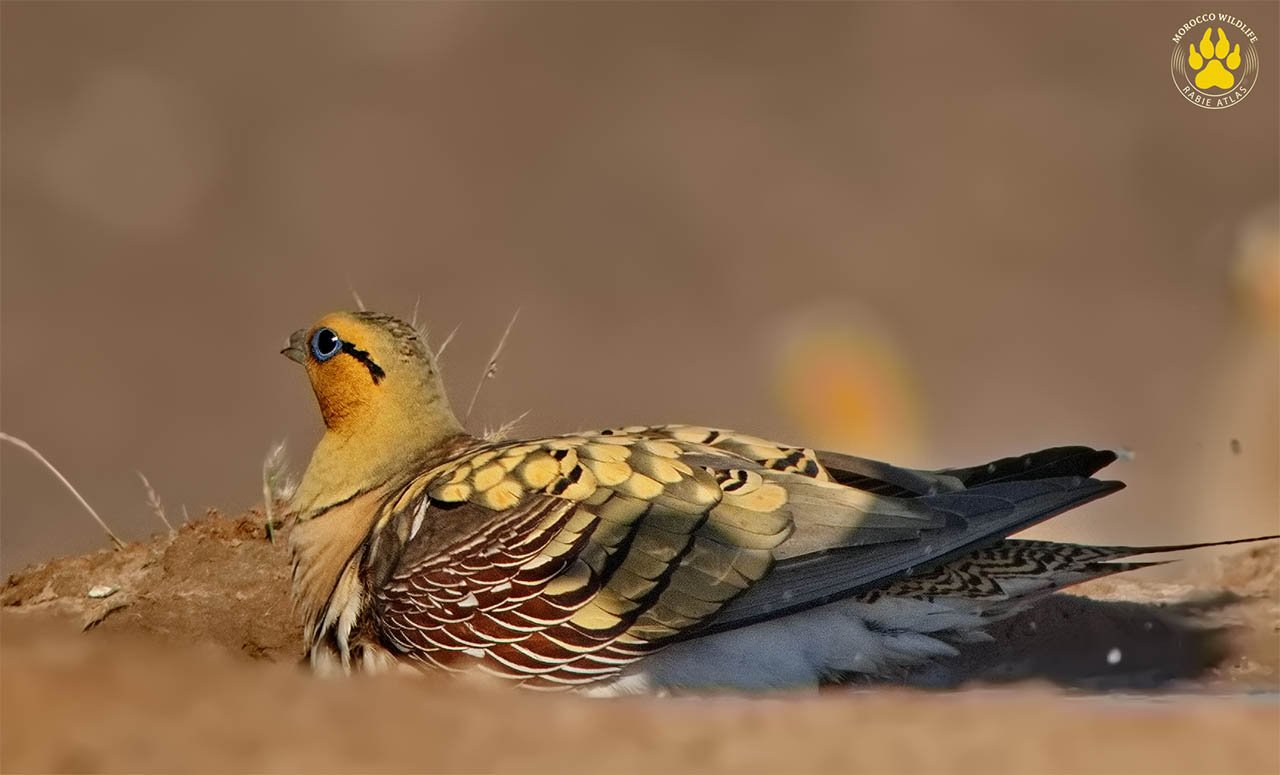
Pin-tailed sandgrouse (Pterocles alchata)
A striking desert bird with a golden-orange face, intricate black and gold patterning, and long pointed tail feathers. Found in arid plains and semi-deserts across North Africa and parts of Europe and Asia. Flocks fly long distances daily to waterholes.
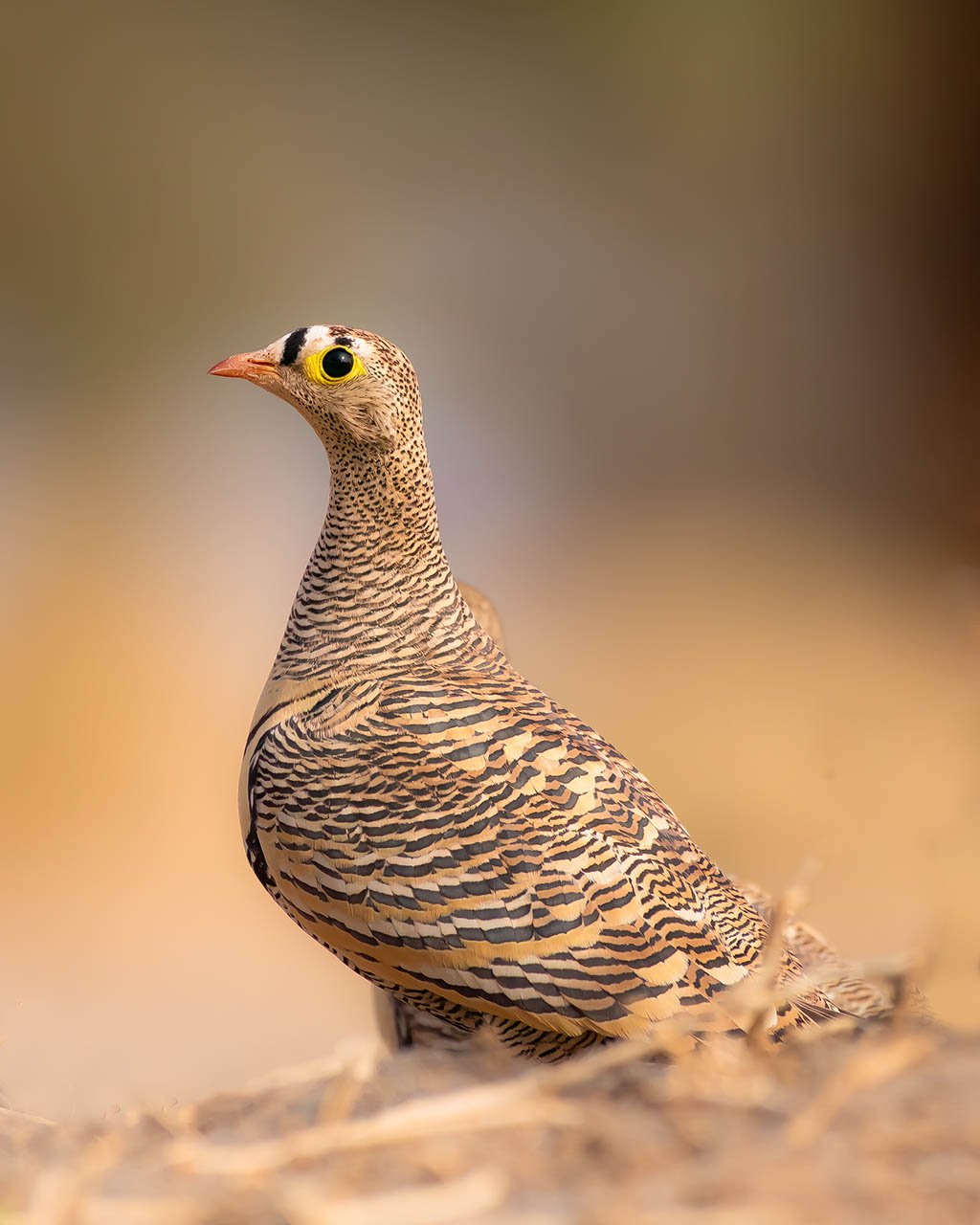
Lichtenstein’s Sandgrouse (Pterocles lichtensteinii)
The Lichtenstein’s Sandgrouse is a strikingly barred desert bird of Africa and the Middle East, famously active during dusk and dawn when it flies out in search of water.
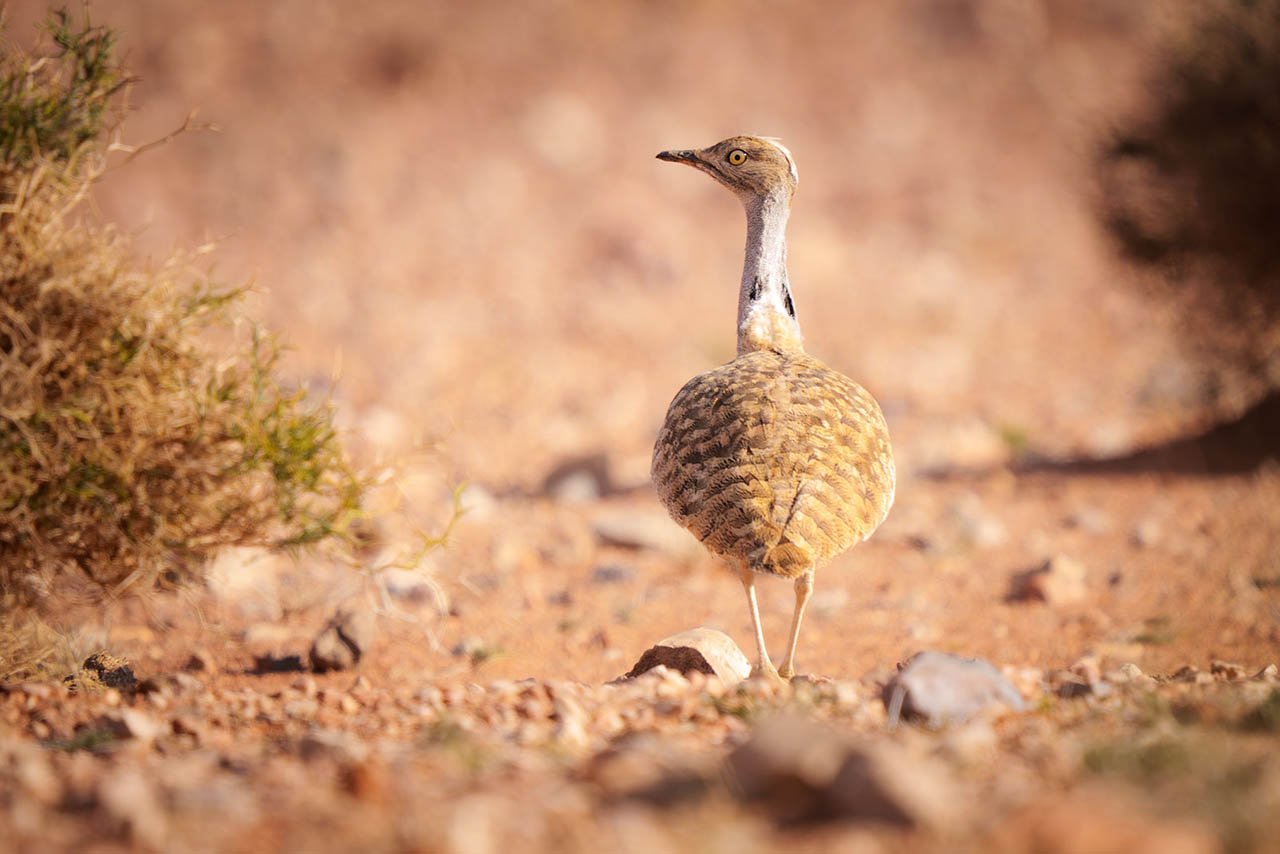
Houbara bustard (Chlamydotis undulata)
A medium-sized desert bird from North Africa and the Middle East. Sandy-brown plumage for camouflage, long neck, and black markings on the sides of its neck. It runs fast, rarely flies, and is known for its elaborate courtship display.
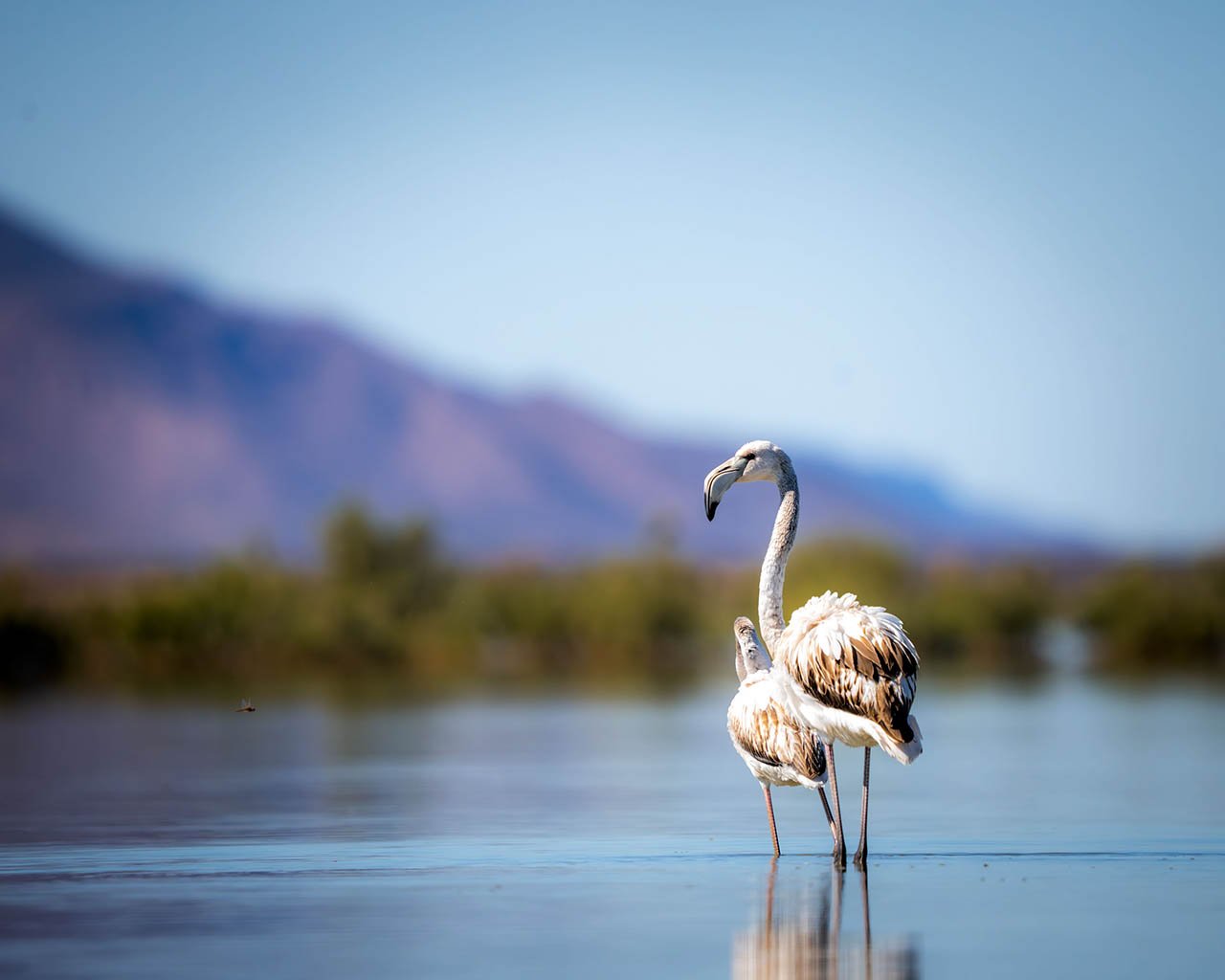
The Greater Flamingo
Desert Nomads: Greater Flamingos visiting the seasonal salt lake of Merzouga, contrasting young gray feathers against the golden Sahara dunes.
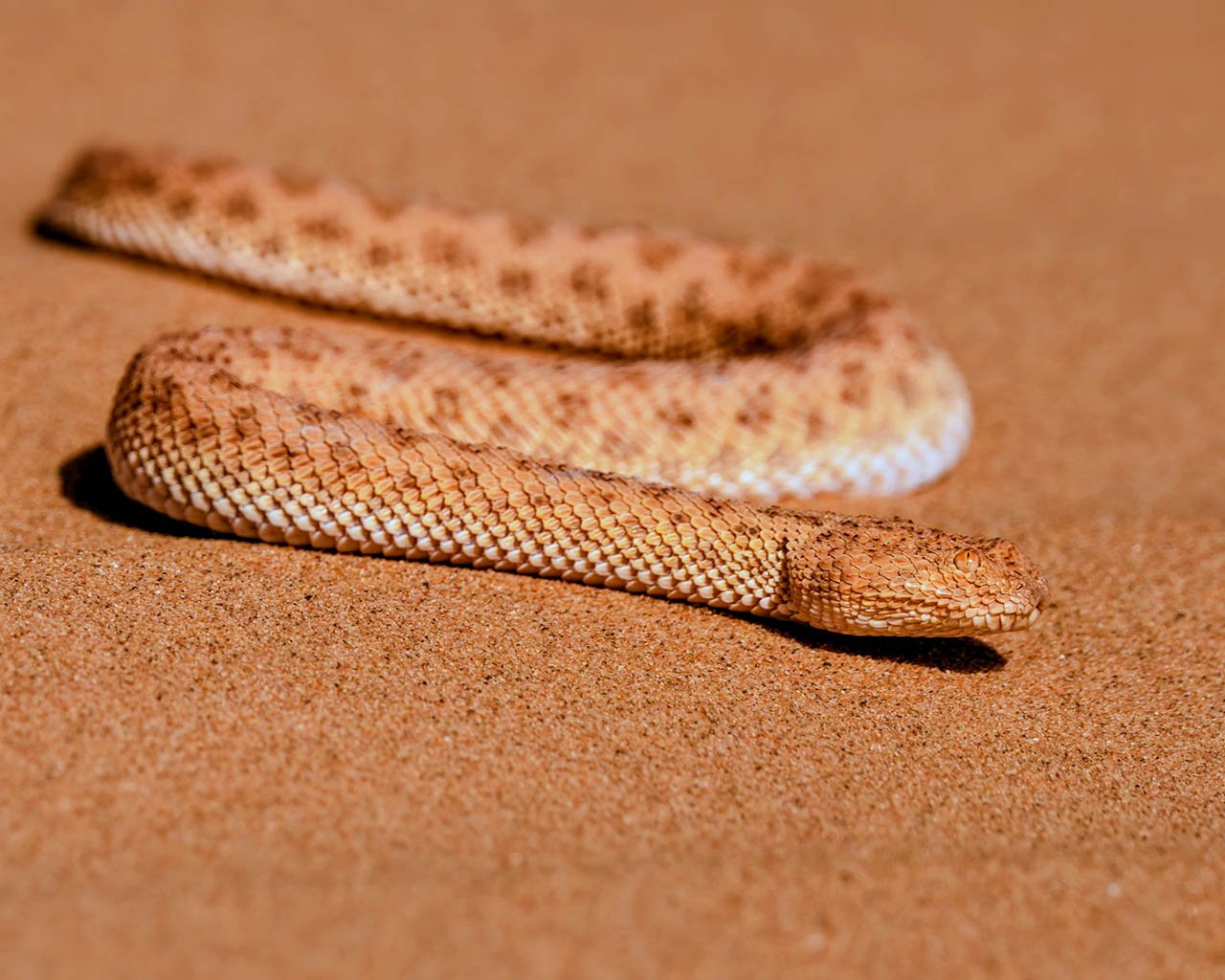
Sahara sand viper (Cerastes vipera)
A small, venomous desert viper from North Africa. No horns, sandy camouflage, buries itself in sand to ambush prey.
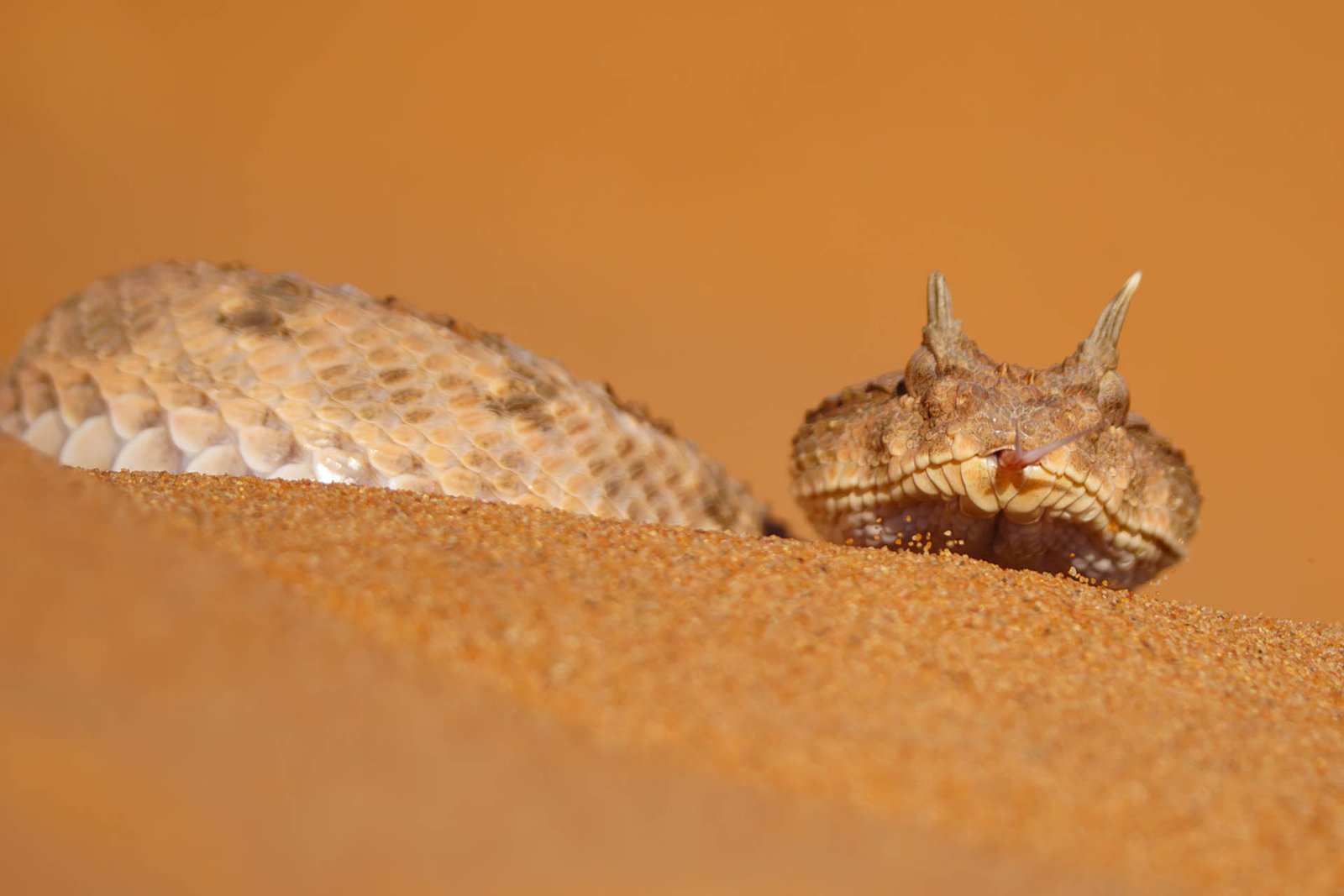
Saharan horned viper (Cerastes cerastes)
A desert ambush specialist, famous for the horn-like scales above each eye. Its sandy, patterned body lets it vanish into dunes while it lies buried with just its head exposed. Hunts lizards and rodents across the Sahara and Arabian deserts, striking with fast, venomous bites.
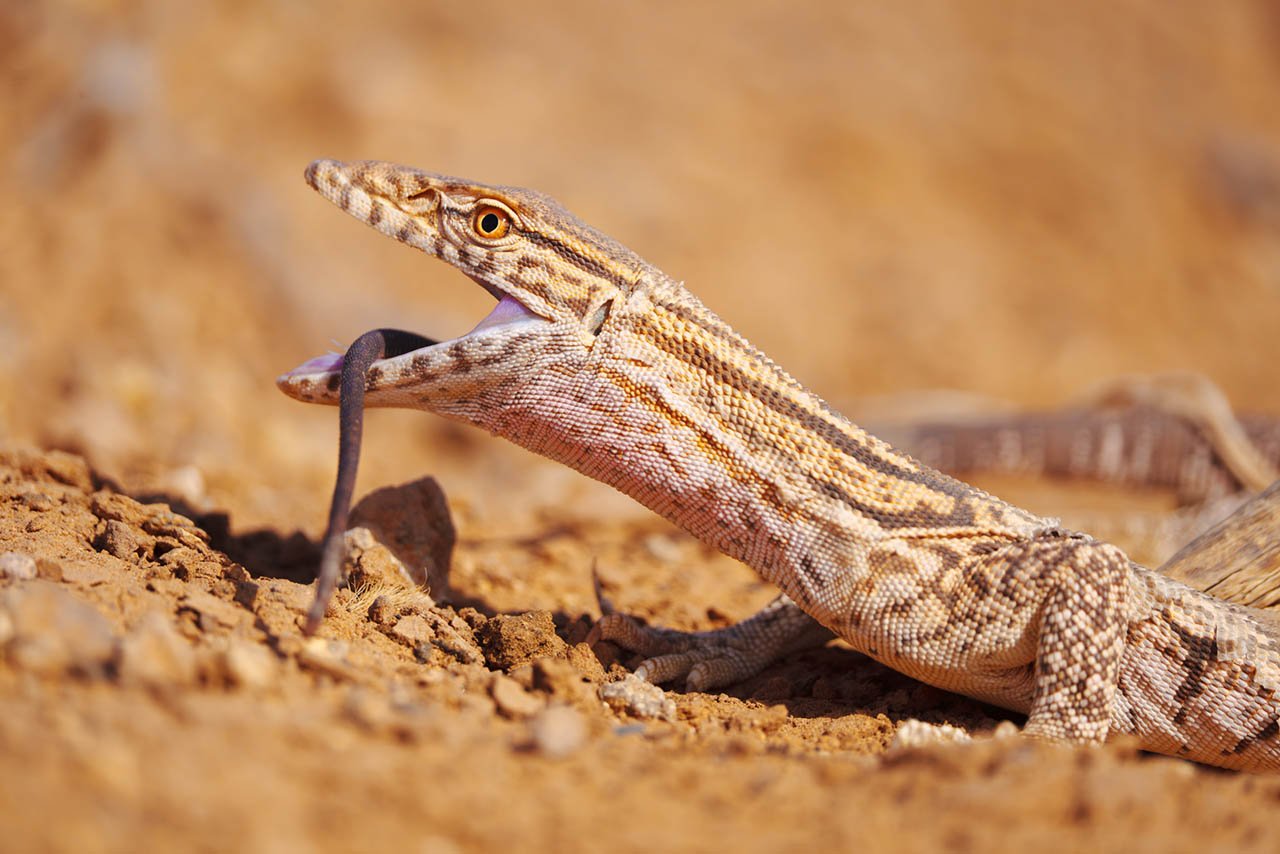
Desert Monitor (Varanus griseus)
The Desert Monitor is a formidable apex reptile of the Sahara, expertly adapted to harsh arid climates and armed with powerful limbs and a venomous bite to hunt everything from rodents to venomous snakes.
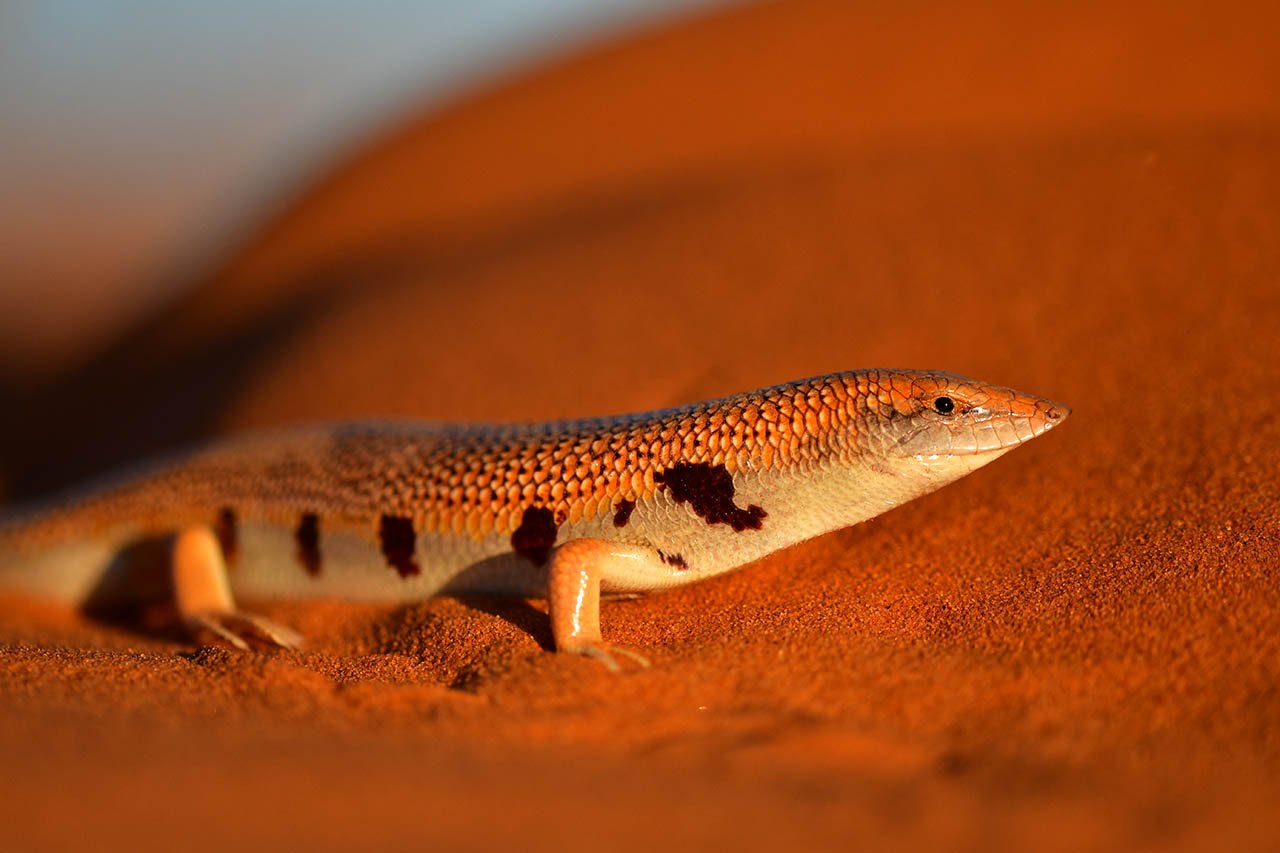
Sandfish skink (Scincus albifasciatus)
A desert lizard that “swims” through sand using its smooth scales and wedge-shaped snout.
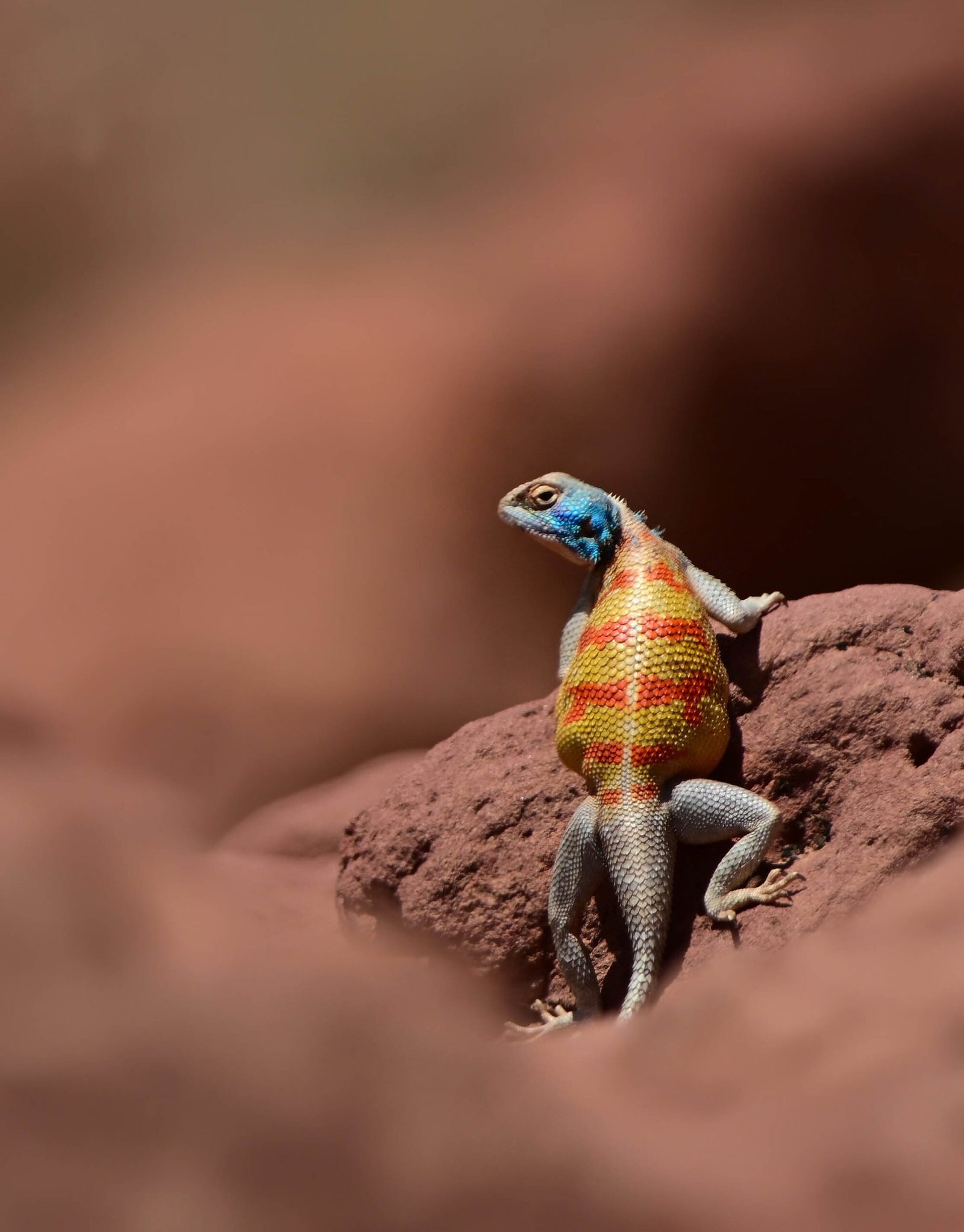
Bibron’s agama (Agama impalearis)
This is a breeding male, showing the species’ signature colors: bright blue head, yellow-orange body with red bars, and gray limbs. Found in rocky, arid areas of Morocco and North Africa. Males perch on high rocks to watch for rivals and predators, and to display their colors to females.
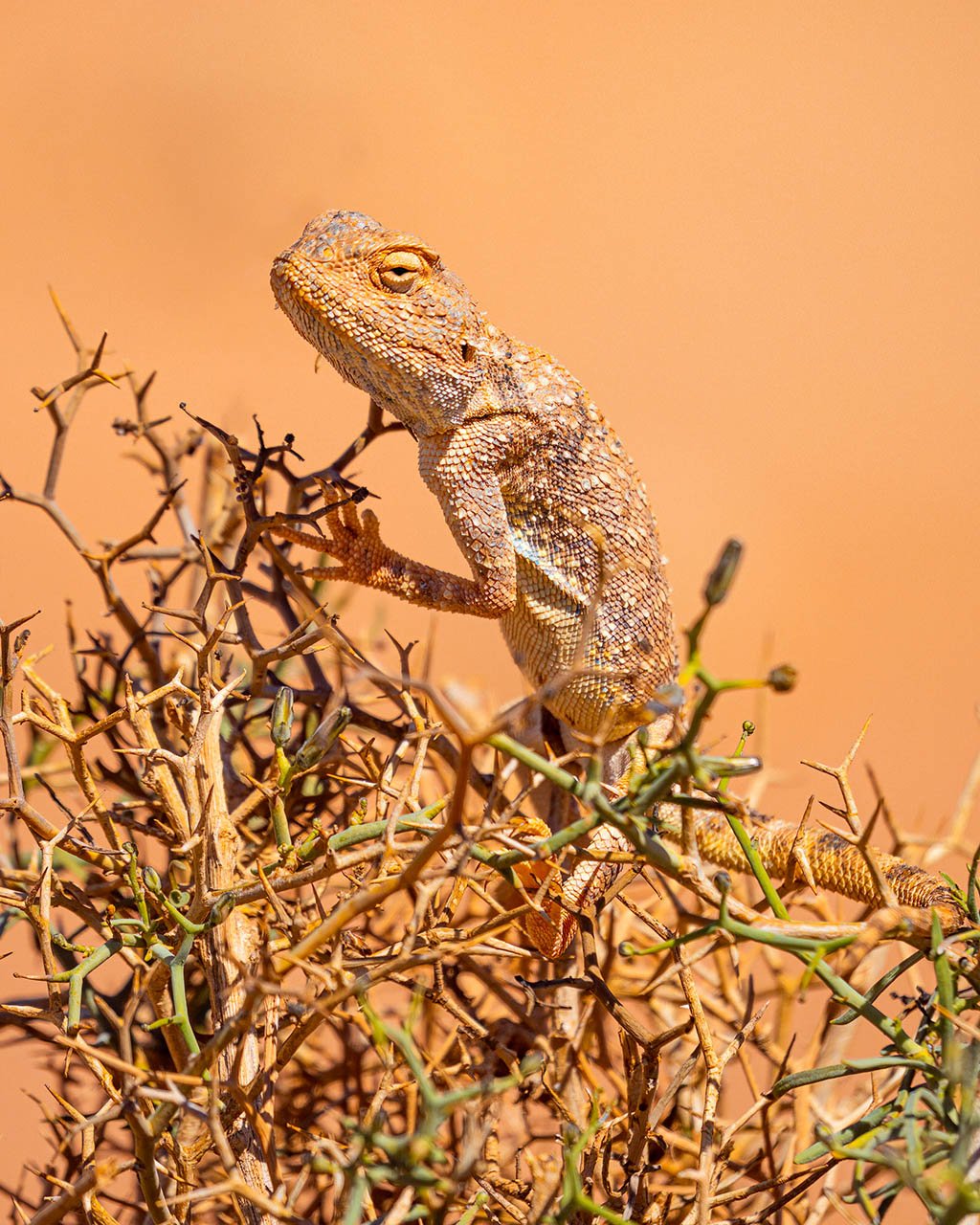
Desert agama (Trapelus mutabilis)
A sandy-colored desert lizard from North Africa. It perches on bushes to hunt insects and avoid the hot ground.
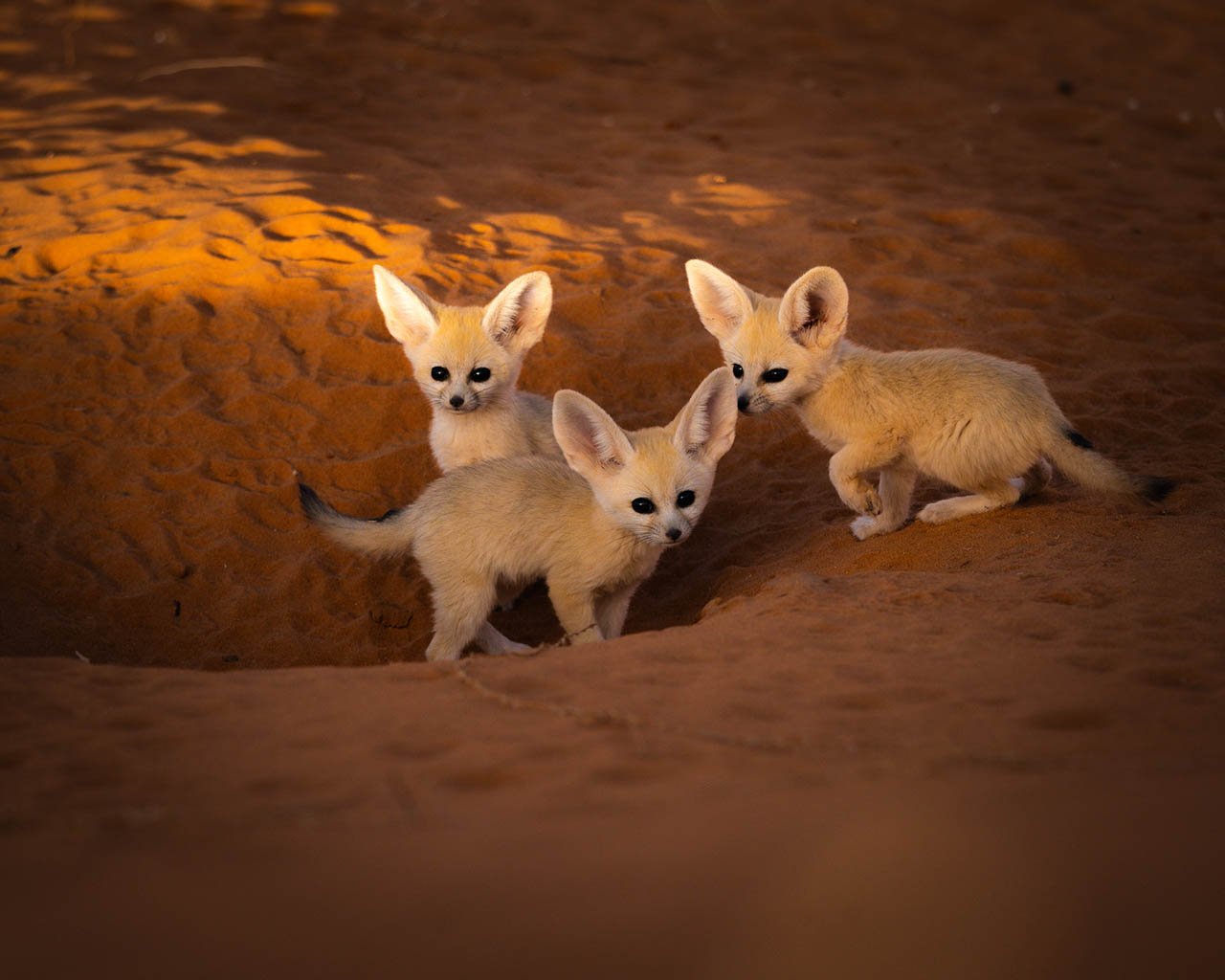
Fennec fox kits (Vulpes zerda)
The world’s smallest fox, adapted for Sahara life. These pups have huge ears that release heat and hear prey underground. Their cream-colored fur and furry paws help them thrive in hot sand. Nocturnal and social, they live in family burrows.
Fennec fox (Vulpes zerda)
The smallest canid in the world, built for desert survival. Those oversized ears aren’t just cute: they radiate heat and can detect prey moving underground. With sand-colored fur and fur-covered paws, it stays cool and moves silently across Sahara dunes. Mostly nocturnal, it hunts insects, rodents, and plants at night.